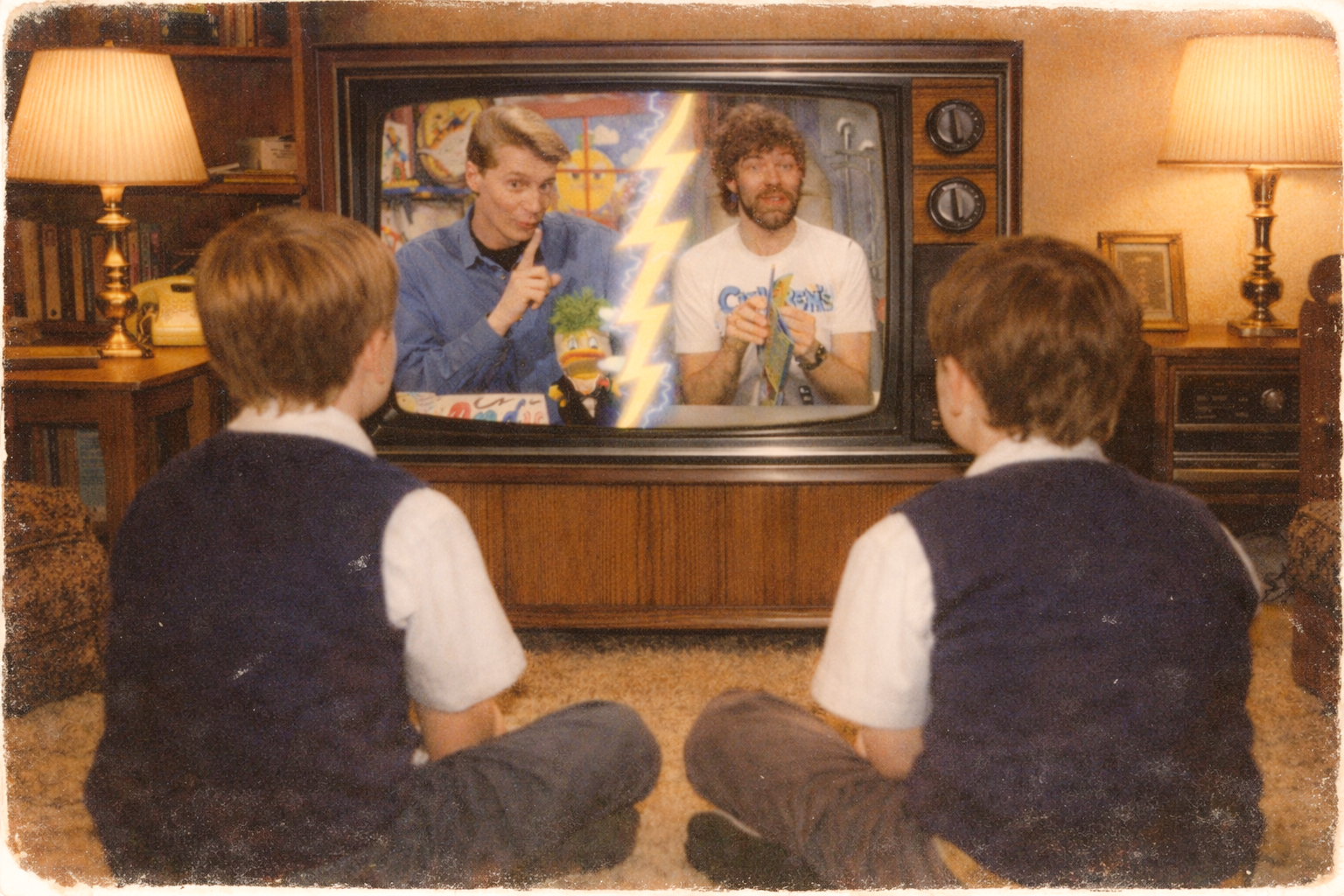
80s Kids TV and the Magic of After-School Shows
The sound of the front door, the school bag hitting the floor, and 80s kids TV
80s kids TV was not just something you watched. It was part of the shape of the day. School finished, you got home, and the afternoon had its own rhythm: a drink, something vaguely snack-like, maybe a parent shouting about homework from another room, and then straight to the television before the grown-ups wanted the set back.
That is why memories of After School viewing in the UK still have such a hold. They are tied to routine. They sit alongside the smell of damp blazers, the clatter of teaspoons in mugs, the winter light fading by half four, and that quiet calculation every child knew by instinct: do I start my homework now, or do I risk it and watch one more programme first?
British children’s television had already been built around that slot for decades. Screen history notes that children’s programmes had long occupied the hour or so after school, and by the 1970s and 80s the BBC and ITV had effectively developed two competing children’s “networks” within the main channels. That rivalry gave British afternoons a very particular character.
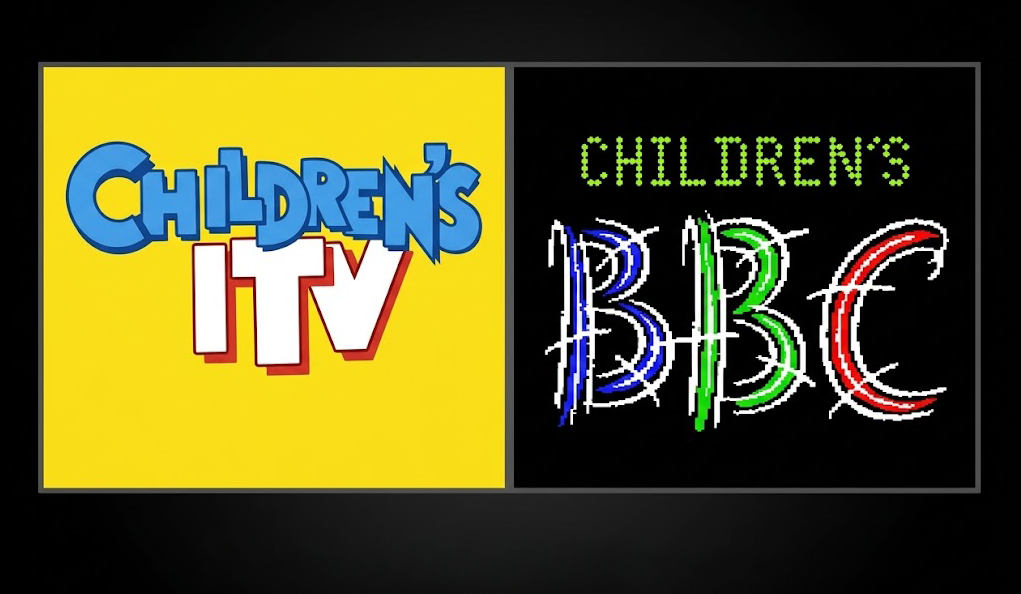
This is not only nostalgia for old shows. It is nostalgia for a shared timetable.
What made British after-school television feel different was that it was communal without trying to be. Millions of children were watching within roughly the same window, talking about the same cliffhanger the next morning, singing the same theme tunes, copying the same catchphrases, and arguing over whether the BBC side or the ITV side had the better line-up. There was no algorithm and no endless menu. If you missed something, you usually missed it. That gave even ordinary weekday television a strange kind of value.
Children’s TV in Britain was also taken more seriously than people sometimes remember. Screenonline describes the ambition of British children’s television as a “service in miniature”, meaning it tried to mirror the full range of adult television for younger viewers: drama, factual programmes, magazine shows, news, comedy, craft, adventure and the odd bit of pure nonsense. That helps explain why the memories feel so rich. It was not one genre. It was an entire world.
The after-school ritual was half the appeal
Part of the pleasure was how dependable it all felt. The programmes mattered, of course, but the build-up mattered too.
After-school TV in 1980s Britain lived in the gap between childhood obligations and evening family life. It belonged to kids, but only for a while. That time limit gave it energy. You were watching before tea, before parents wanted the news, before somebody declared the television had been on “all day” even though it obviously had not. Children learned scheduling almost without realising it. You knew when to turn over. You knew what started first. You knew which side had the better continuity presenter and which side had the show worth rushing home for.
That is one reason the memory is so vivid for Gen X and older Gen Y viewers. It was never just content. It was appointment viewing before most children would ever have used that phrase.
CBBC: the BBC side of the afternoon
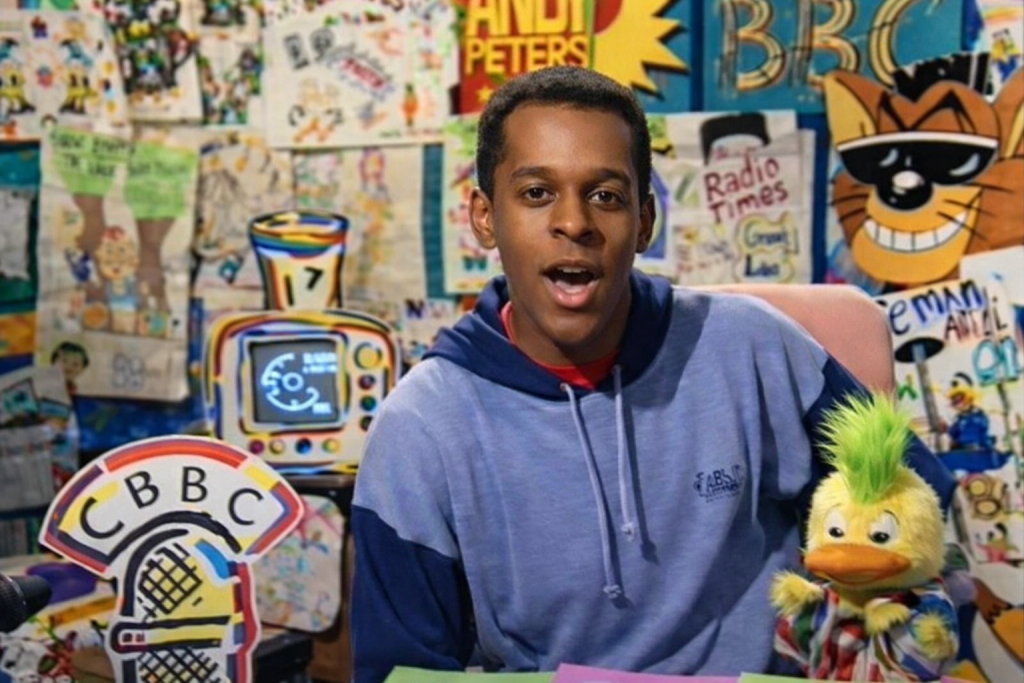
By the mid-80s, the BBC had sharpened its identity for younger viewers. The National Science and Media Museum notes that Children’s BBC launched in 1985 as an afternoon package of programmes aimed at children, and that Gordon the Gopher appeared alongside Phillip Schofield in the now-legendary Broom Cupboard, a tiny presentation booth linking the shows together.
That small booth did a lot of heavy lifting. It gave the BBC side personality. It made the whole block feel connected. Even if the programmes were very different, the space between them had a tone of its own: friendly, slightly chaotic, homemade in the best sense, and unmistakably British. The Broom Cupboard is remembered now as a cultural landmark, but part of its charm was how ungrand it seemed at the time. It felt like television made by actual people, not an abstract machine.
The BBC feel: grounded, clever, sometimes a bit strange
The BBC side often had a slightly steadier tone, though that should not be confused with being dull. Blue Peter had already become part of British cultural DNA by then; the BFI describes it as the world’s longest-running children’s TV programme, while Screenonline calls it a flagship factual series with a remit broad enough to cover everything from pop interviews to animals to history.
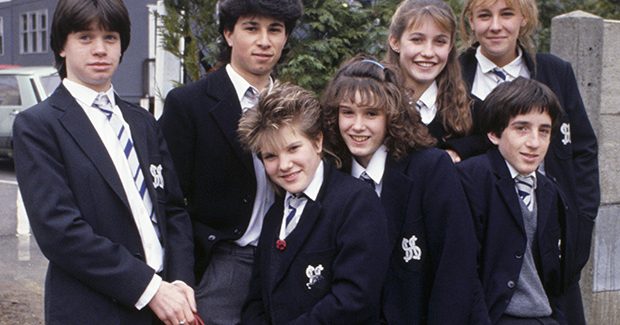
Then there was Grange Hill, which did something many children’s dramas elsewhere did not quite manage. It treated school life as real life. Screenonline notes that the series broke ground by tackling difficult issues and portraying the pressures of comprehensive school life with a seriousness that respected its audience. That mattered. Kids could tell when a programme was talking down to them, and Grange Hill usually did the opposite.
The BBC also understood that children could handle more than adults sometimes assumed. Newsround was a daily news bulletin for children, while shows like Take Hart turned creativity into something practical and inviting rather than precious. That range is part of what people miss when they look back: one afternoon block might give you school drama, actual news, art ideas, puppetry and silliness, and somehow it all held together.
CITV: louder, cheekier and often a bit more unruly
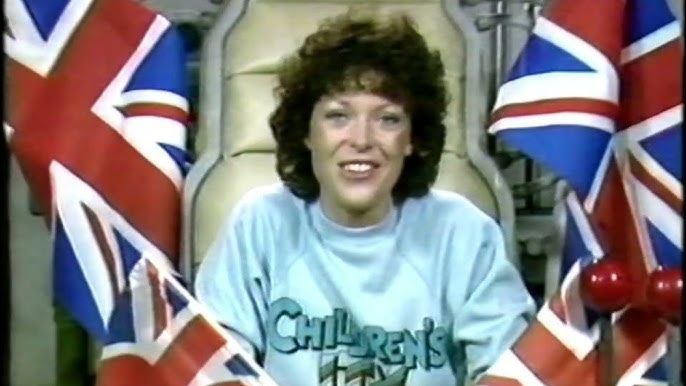
If the BBC could feel slightly more anchored, CITV often felt a touch wilder. It had sharper elbows.
Children’s ITV launched on 3 January 1983, and TVARK’s archive notes that the service was operated by Central Television. Screen coverage of British children’s TV describes the 70s and 80s as a strong period of BBC and ITV competition, and CITV gave ITV a clearer late-afternoon identity for younger viewers.
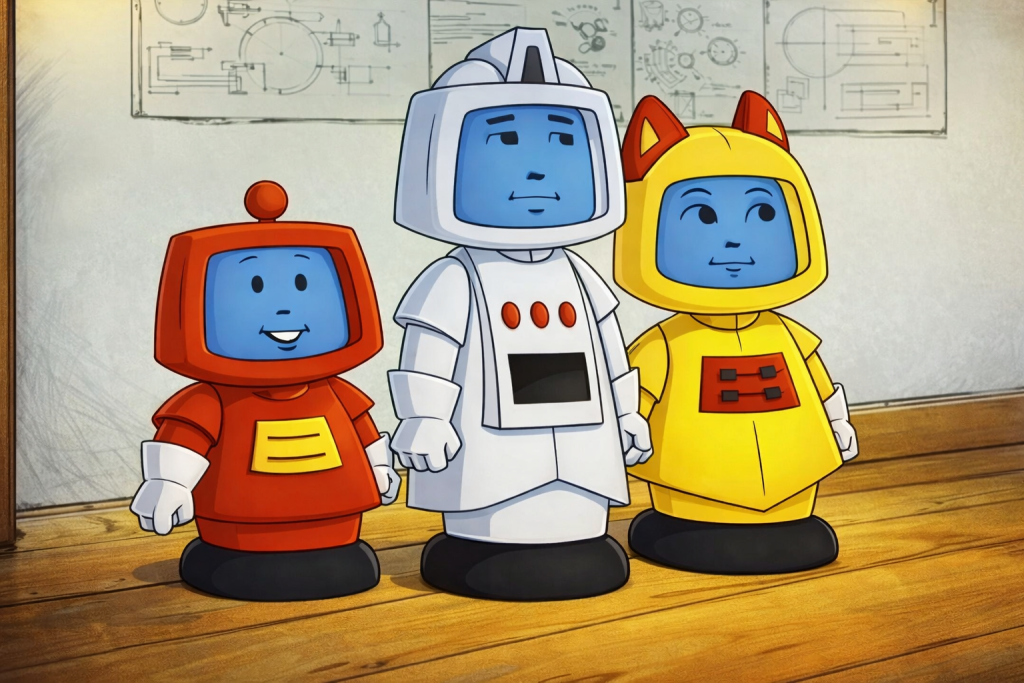
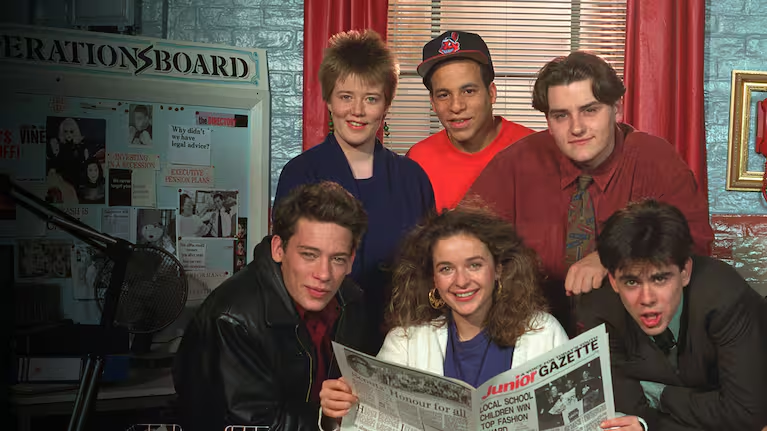
What people remember about CITV is not just the programmes, but the atmosphere. It could feel more playful, more commercial, more anarchic, sometimes rougher around the edges in a way that children often loved. That quality suited the line-up. ITV children’s drama in particular had bite. Screenonline points to Press Gang and Children’s Ward as standout examples of the strength of ITV’s children’s drama output. These were not throwaway fillers; they were well-made series that trusted young audiences to follow sharp writing and stronger emotions.
Why the ITV side felt different
Part of the difference came from ITV’s heritage as a regional network. Even when the presentation became more unified, CITV carried some of that slightly mixed, locally flavoured DNA. It felt less like a single polished institution and more like a lively coalition. That gave it personality.
It also helped that CITV was often excellent at pace. The best ITV children’s television moved quickly, landed jokes harder, and seemed less worried about being approved by adults. That was true of its studio links as much as its shows. If CBBC felt like the reliable older cousin who knew what was going on, CITV sometimes felt like the mate who told you the better story in the playground.
What made 80s kids TV in Britain so memorable
A lot of nostalgia articles stop at a list of programme titles, but the real story is the mix.
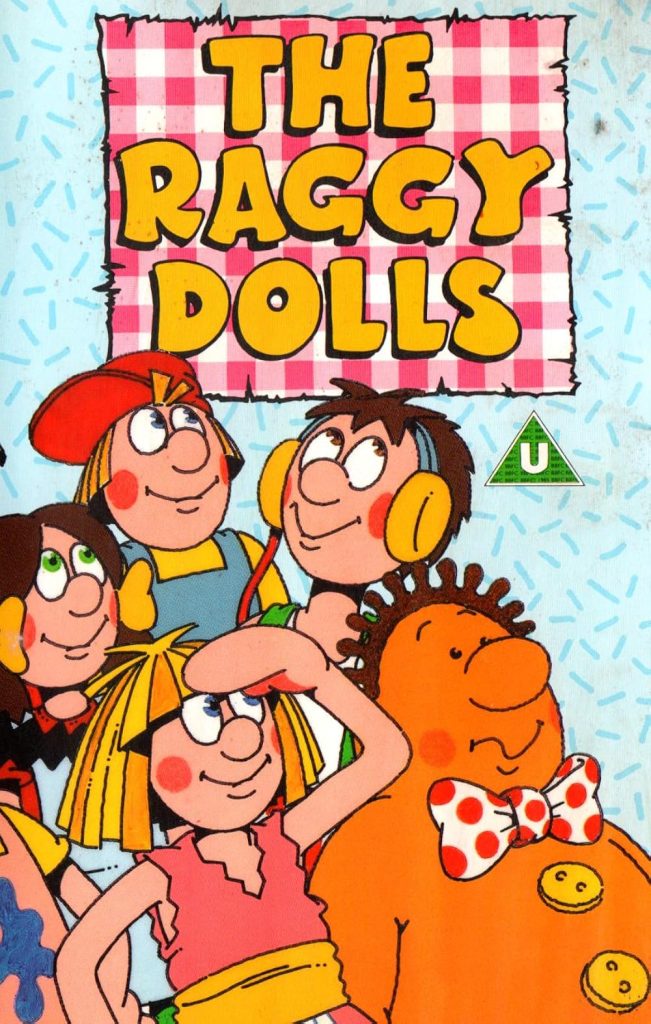
British after-school television in the 80s was unusually broad. It had homegrown drama, magazine shows, art programmes, practical makes, news for children, puppet characters, serials, comedy and imported cartoons sitting side by side. Screenonline’s account of British children’s TV makes clear that the sector aimed to offer young viewers the equivalent of a full television service, not a narrow educational lane.
That variety created a distinctive emotional texture. One show might feel comforting, the next funny, the next faintly eerie. British children’s TV was very good at being a little spooky without becoming traumatic, a little serious without becoming preachy, and a little daft without becoming empty. It had a confidence that came from assuming children could cope with tonal shifts.
The overlooked oddities that gave it flavour
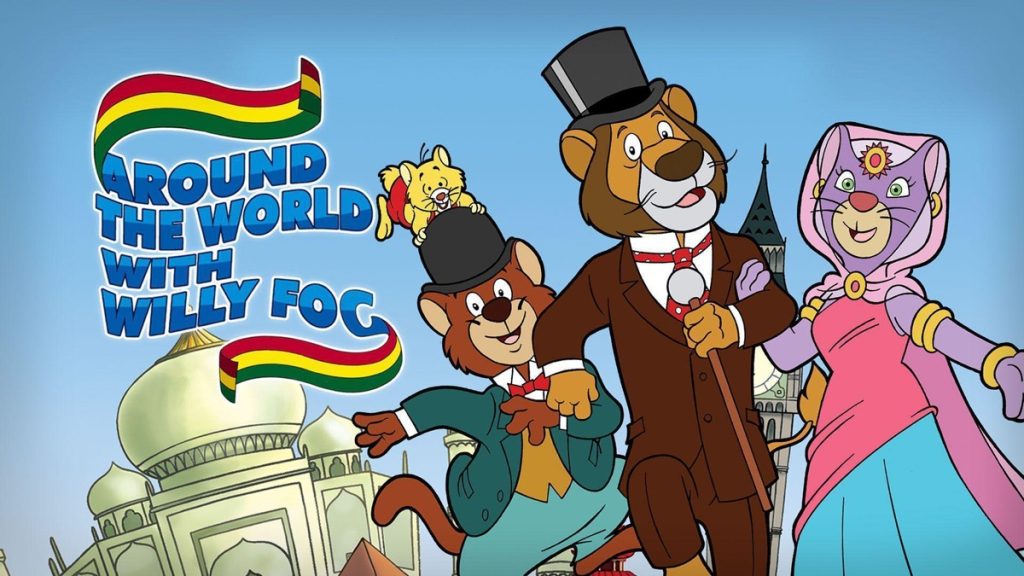
One of the lesser-known truths about British children’s television is that it was never purely British in look or texture. Screenonline notes that the BBC, often working within tight budgets, bought in children’s series from Europe and adapted them for UK audiences. That habit reaches back before the 80s, but it fed into the wider culture many British viewers remember: a schedule where homegrown realism sat beside dubbed or voiced-over imports that felt slightly uncanny, sometimes cheap, and completely unforgettable.
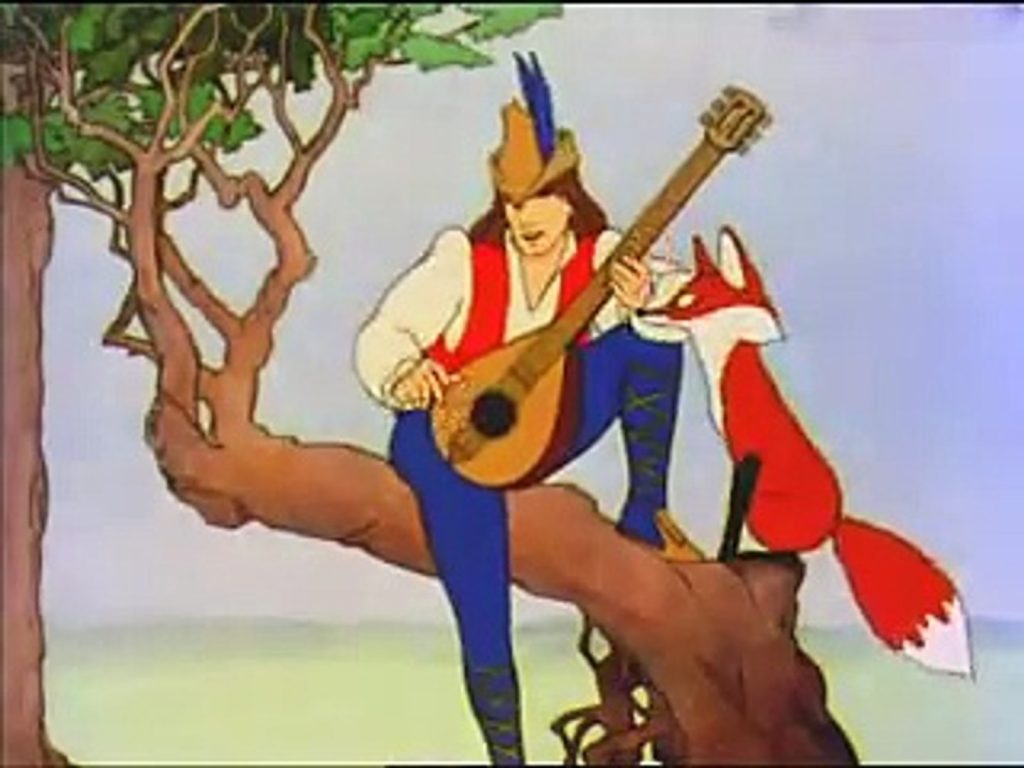
That matters because it explains a particular feeling many nostalgia fans struggle to name. After-school TV in Britain could shift from the very local to the oddly international in minutes. One moment you were in a recognisable British school, street or youth club. The next you were in a fantasy world, a foreign village, or some cartoon universe with voices that never quite matched the lips. Children accepted all of it. In hindsight, that jumble was part of the charm.
Another overlooked detail is that some of the magic sat between the programmes rather than inside them. Presentation mattered. The Broom Cupboard mattered. ITV continuity mattered. The presenter introductions, the scrappy transitions, the sense that a human being was guiding you through the afternoon rather than a faceless playlist — that is a huge part of why these memories remain so strong. The links made the whole block feel inhabited.
After-school TV was more important than adults admitted
Looking back, it is striking how often adults dismissed children’s television as filler, while the industry itself knew it mattered.
The Children’s Media Foundation notes that the Broadcasting Act 1990 made children’s programming a protected category and required commercial public service broadcasters to provide diverse material for different age groups at times when children were actually available to watch. That legislation came after the 80s, but it reflects a truth the best broadcasters had already understood: children’s television was not a side issue. It was part of public life, part of culture, and part of how young viewers understood the world around them.
That seriousness shows up in the programmes people still remember. The affection is not only for colourful titles and catchy themes. It is for television that assumed children were observant, emotionally literate, occasionally mischievous, and capable of following something with stakes.
Why these memories stay put
There is a reason people can forget what they had for lunch and still remember a theme tune from 1986 in full.
After-school television attached itself to repetition. The same time, the same place, the same chair, the same race to get in before a programme started. Memory loves routine. Add emotion to that — excitement, comfort, envy, fear of missing an episode, the low-level panic of hearing a parent coming down the hall — and the whole thing gets stored very deeply.
It also helped that these programmes were shared across households. Not perfectly, of course. Families had different habits, and not everybody preferred the same channel. But there was far more overlap than there is now. You could go into school the next day and have a decent chance that other kids had watched the same thing. That common ground gave after-school television social weight.
What is worth taking from it now
The best takeaway is not simply “things were better then.” Some things were, some were not. Schedules were limited, repeats were frequent, and children had far less control over what they watched.
What the 80s did get right was the idea that young audiences deserve texture. They deserve programmes that are funny, strange, dramatic, informative and specific. They deserve presenters with personality. They deserve a sense that television is speaking to them, not just occupying them.
That is really what people are mourning when they talk about 80s kids TV, CBBC, CITV and the old After School slot. They are mourning a kind of shared cultural space. Not flawless, not golden in every respect, but warm, vivid and alive.
Closing thought
The real magic of Britain’s after-school television in the 1980s was that it made ordinary weekdays feel eventful. It turned the hour between school and tea into a little country of its own, with its own rules, voices, characters and loyalties. That is why the memory lasts. Not because every programme was a masterpiece, but because the whole ritual felt like it belonged to us.
And maybe that is the thing nostalgia keeps circling back to: not just the shows themselves, but the feeling of arriving home, turning on the set, and knowing that for a short while the afternoon was yours.